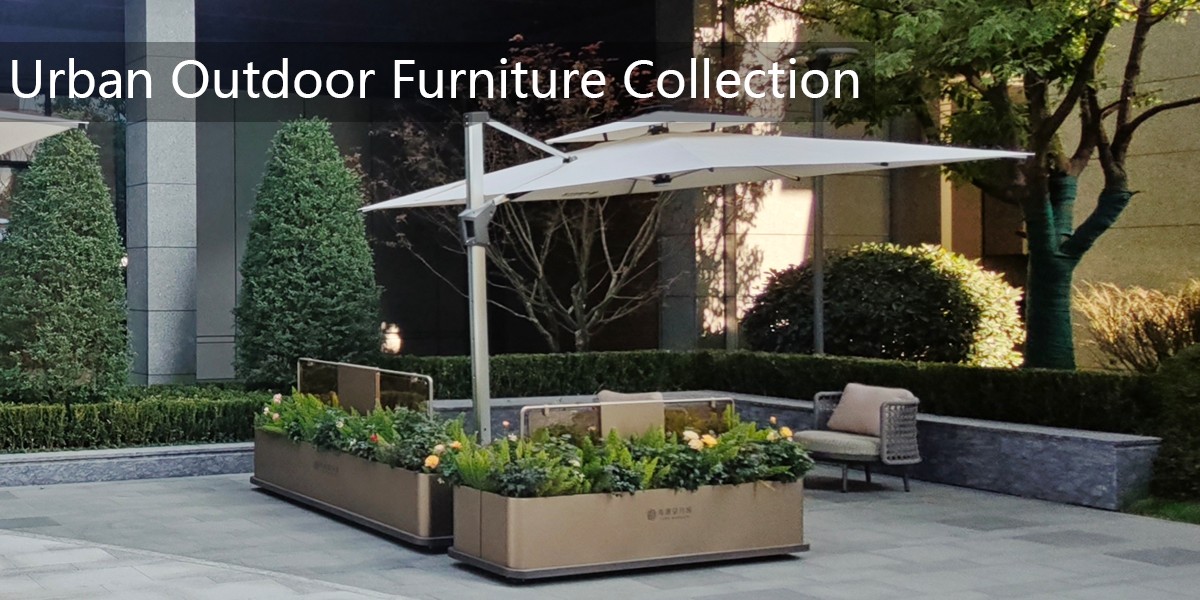
For a planter box factory, the best wood for high-humidity areas is generally teak, ipe, cumaru, black locust, or white oak heartwood. These species have natural decay resistance, dense grain, or extractives that slow fungal growth and water absorption. Teak is often the premium answer: its natural oils and silica help it resist moisture, insects, and warping, and it ages gracefully in tropical, coastal, or greenhouse conditions. Ipe is even denser and harder, with outstanding resistance to rot and termites, but it is heavy, abrasive on tools, and requires pre-drilling. Cumaru offers similar durability and is a strong alternative when teak or ipe supply is limited. For a more locally sourced option in North America, black locust is excellent. Its rot resistance is comparable to many tropical hardwoods, and it performs well in soil contact when the heartwood is used. White oak is another durable choice because its tyloses block water movement, though it is heavy and best used with good drainage and a liner. Red cedar, redwood, and cypress are traditional planter woods. Their heartwood resists rot well, especially above ground, but in constant humidity and direct soil contact they usually do not last as long as teak, ipe, or black locust. Always specify heartwood, not sapwood, because sapwood decays quickly. Avoid untreated pine, spruce, fir, poplar, birch, and aspen for humid planter boxes; they rot fast without chemical protection. Pressure-treated wood can resist decay, but for edible plants many growers avoid it. If it is used, line the planter with a food-safe barrier and keep treated wood out of direct soil contact. Thermally modified wood and acetylated wood, such as Accoya, are engineered options that resist rot very well and remain dimensionally stable. They are not traditional species, but they can be excellent for factory production. The best wood alone is not enough. A high-humidity planter box needs raised feet, drainage holes, airflow gaps, breathable liners, sealed end grain, and stainless steel or coated fasteners. A well-built cedar box can outperform a poorly built teak box. For your factory, balance rot resistance with cost, weight, machining, sustainability, and customer expectations. Offer teak or ipe for premium lines, black locust or white oak for mid-range durability, and cedar, redwood, or cypress for budget-friendly above-ground planters. Source legal, certified wood, and test joinery and finishes in humid conditions before full production.
For your planter box factory, what type of wood holds up best in high-humidity areas without rotting quickly?
2026-09-19 Visits: Abstract: Find the best rot-resistant woods for high-humidity planter boxes: teak, ipe, black locust, cedar, white oak. Compare durability, cost, and design tips.
Search Tags: