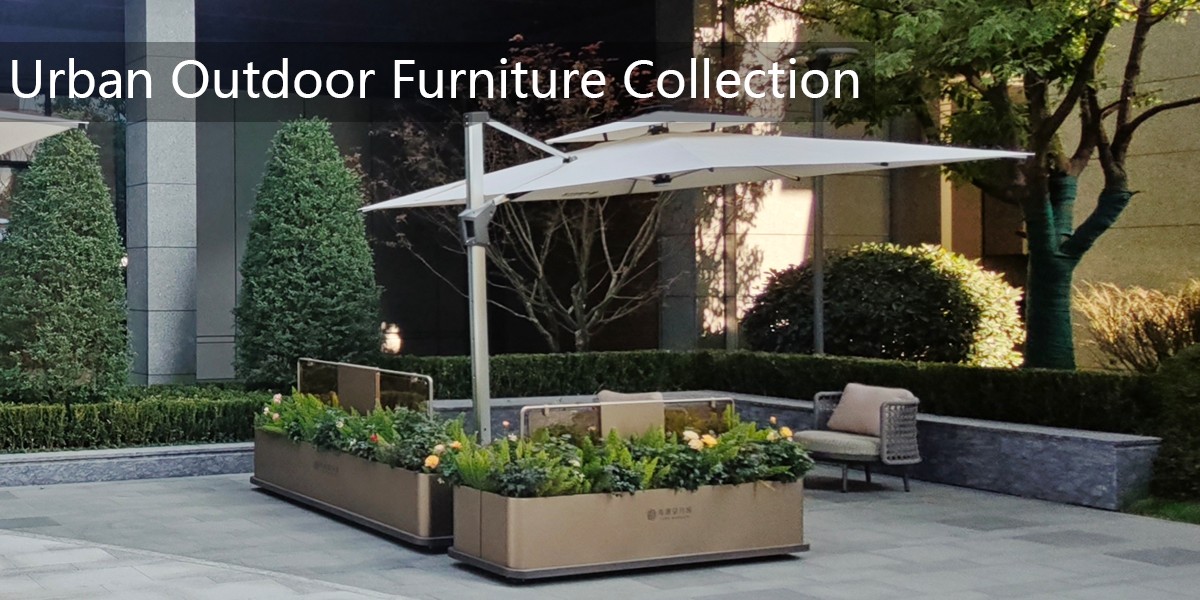
Zone 5 winter can push temperatures to -20°F or lower, and the repeated freeze-thaw cycles are what crack planters. The damage usually starts when water expands inside the soil, inside the material, or in a drainage tray that stays frozen. To keep planters from our factory intact, treat winter protection as a system: material, design, drainage, soil, and placement all matter.
First, confirm the planter is rated for outdoor winter use in zone 5. Factory-built planters that resist cracking typically use UV-stabilized HDPE, flexible composite, fiberglass with a high-impact resin, or rot-resistant wood with expansion room. If you ordered wooden planters, choose cedar, cypress, or thermally modified wood, and make sure boards are not tightly boxed in without movement gaps. For composite or resin planters, thickness matters. A wall that is too thin can become brittle in cold. Ask our factory about cold-weather additives, impact modifiers, and wall thickness if you are ordering a custom run.
Second, make drainage non-negotiable. Cracking often happens because water cannot escape. Ensure every planter has drainage holes, preferably raised slightly above the ground. Add pot feet or a spacer so the base is not sealed against a patio or deck. If the planter sits directly on concrete, water can wick up and freeze. A drainage saucer can also trap ice; empty it before the first hard freeze or use a saucer with a raised grid.
Third, use a free-draining soil mix. Heavy garden soil holds too much water. A mix with pine bark, perlite, or coarse compost drains faster and reduces expansion pressure. Do not add a thick gravel layer at the bottom of a closed planter; it can raise the saturated zone and make freezing worse. Instead, rely on drainage holes and a chunky mix. Leave 2–4 inches of headspace below the rim so soil has room to expand upward.
Fourth, insulate the root zone, not the entire planter. Wrap the sides with bubble wrap, straw, burlap, or rigid foam boards, but keep the top open to air and moisture. Mulch the soil surface with 3–4 inches of straw, shredded leaves, or pine needles after the ground freezes. This keeps soil temperatures steadier and reduces freeze-thaw cycling. If the planter holds a perennial, insulation helps the roots survive; if it holds an annual or tropical plant, move the plant indoors or empty the planter.
Fifth, manage moisture before winter. Water deeply in late fall so plants are not drought-stressed, but stop before the soil stays soggy. In zone 5, a saturated planter is far more likely to crack than a moist but drained one. If you have an irrigation line, disconnect it and drain it. Remove saucers, and tilt the planter slightly if possible so meltwater runs off.
Sixth, consider a liner system. For decorative planters that you want to leave outside, place the actual growing pot inside the larger planter. The inner pot can be moved to a sheltered spot, and the outer planter can remain empty or loosely filled. This reduces the volume of frozen soil pressing against the decorative walls. If the planter is too large to move, fill it with insulating material and only keep a smaller, frost-hardy plant in the center.
Seventh, position planters wisely. Put them near a building foundation, against a windbreak, or in a cluster. The ground near a foundation is warmer, and clustering blocks wind. Avoid low spots where ice and meltwater collect. If you use de-icing salt nearby, shield the planters; salt can degrade some finishes and increase freeze-thaw stress.
Finally, inspect and prep before the first freeze. Check for existing hairline cracks, loose joints, or clogged drainage. Repair small cracks with a compatible sealant, and clear drainage holes. If a planter is not rated for zone 5, do not gamble: empty it, clean it, and store it in a shed or garage. For planters from our factory, ask for the winter rating and follow the care guide. With the right material, drainage, soil, and insulation, your planter boxes can come through a zone 5 winter without cracking and be ready for spring planting.