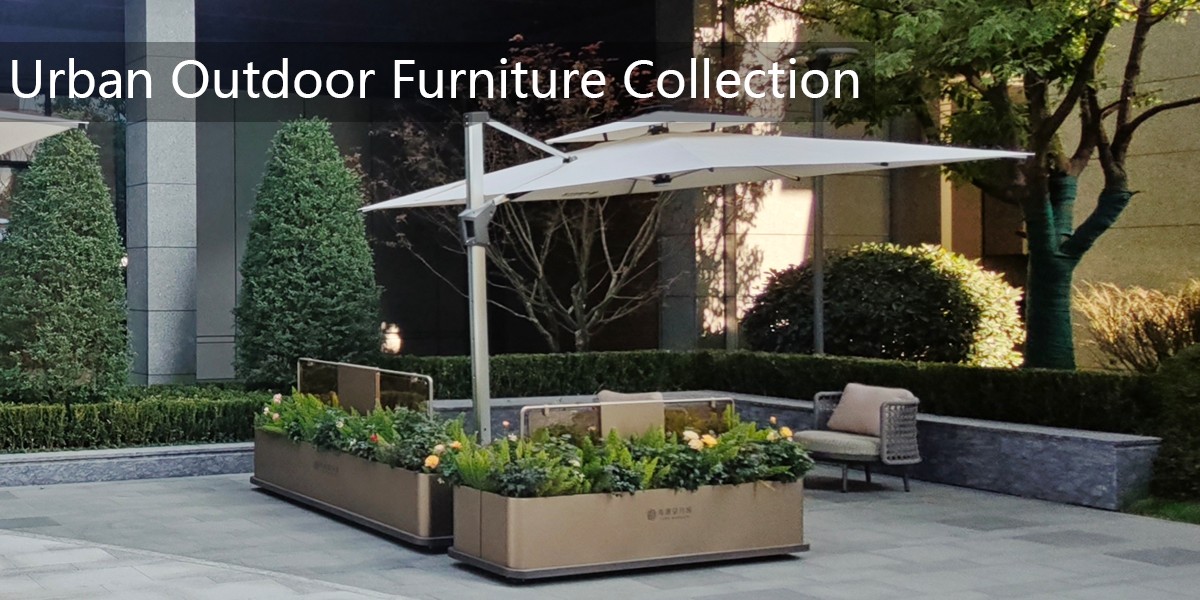
Thanks for asking. Our factory-made planter boxes do not rely on one simple drainage method for every product. The standard outdoor planter box uses multiple pre-drilled drainage holes, usually 6–12 mm depending on the size and intended plant load. These holes are placed along the bottom panel or lower side wall so water cannot collect in corners. We cover them with a fine drainage mesh or geotextile filter pad to keep potting mix inside while letting excess water escape. Raised feet create an air gap underneath, helping roots stay out of standing water.
For indoor planter boxes, we normally use the same precision drainage holes, but we pair them with a removable sealed drip tray or hidden reservoir. This protects floors and makes it easy to empty excess water. Some models also include rubber plugs, so you can close the holes for decorative use or open them when growing live plants.
Do we use gravel trays? Not as the main drainage system. We usually avoid shipping gravel because it adds weight, freight cost, and mess. More importantly, a thick gravel layer inside the bottom of a planter is not a replacement for proper drainage holes. It can raise the saturated zone and create root problems. Instead, we use filter mesh and an air gap. If a customer prefers a traditional gravel tray or expanded-clay pebble accessory, we can supply it as an optional extra, but it is designed to sit below the planter, outside the soil.
For self-watering planter boxes, the drainage design is different. These models have an internal water reservoir, a wicking column or fabric wick, and an overflow hole that keeps the water level below the soil. You water into the reservoir, and the plant draws moisture upward. The overflow prevents drowning and helps maintain a healthier root zone. This style is popular for herbs, vegetables, and indoor tropical plants.
Because we are a planter box factory, customization is possible. We can adjust hole quantity, diameter, placement, and finish them with stainless steel grommets or mesh. We can add drainage channels, false bottoms, bulkhead fittings, drain plugs, or hose connections for large commercial planters. If your project requires a gravel tray, we can produce it as an optional accessory, but we usually recommend starting with correctly sized drainage holes, filter mesh, and a drip tray. The best choice depends on plant type, climate, indoor or outdoor use, and how much maintenance you want. In short: our standard products use precision drainage holes plus filter mesh and a tray option, not just holes, and not a gravel tray alone.