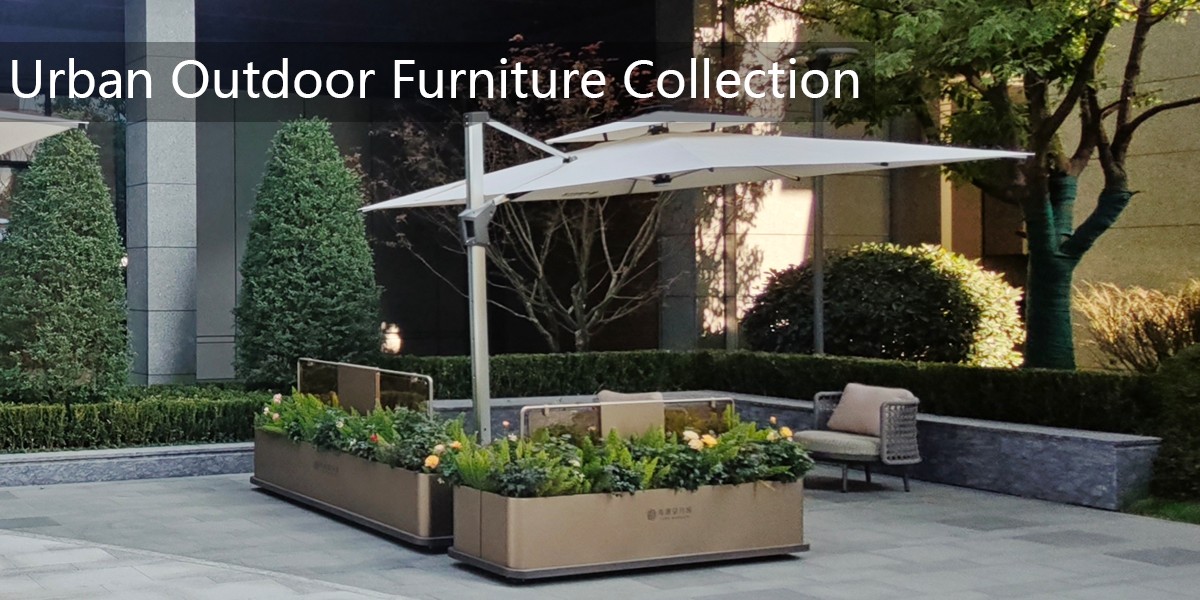
Yes, our planter box factory can build boxes with a copper lining, but the honest answer is that copper is neither magic nor meaningless. It is a targeted design feature. Copper has two well-known effects in horticulture: it can discourage root circling when roots contact a copper-treated surface, and it can reduce some microbial growth on the liner surface. That is why copper compounds and copper-treated fabrics are used in nursery pots and root-pruning systems. In a custom planter box, a copper liner could help with plant health if the goal is to discourage roots from spiraling, protect certain drainage zones, or create a cleaner barrier between soil and a wooden or composite wall. It is not a general fertilizer, and it will not compensate for poor drainage, bad soil, wrong plant selection, or overwatering.
The risk is direct, continuous contact between copper and the root zone. Copper is an essential micronutrient, but in excess it becomes phytotoxic. Acidic soil, frequent watering, poor drainage, and high copper surface area can increase copper ion release. That can stress roots and harm beneficial soil organisms. For that reason, we do not recommend dropping a raw copper sheet directly against all the soil and calling it a plant-health upgrade. A better design uses copper only where it serves a function: a removable copper alloy mesh at air-pruning openings, a copper liner separated from the main soil volume by a geotextile and drainage gap, or copper edging near a wall rather than through the entire root zone. Drainage must remain unrestricted, and the liner should be removable for inspection.
As a custom planter box factory, we would ask about plant type, soil pH, water quality, drainage, box material, and whether the box is indoor or outdoor. We would also clarify the copper form: pure copper sheet, copper alloy mesh, copper-treated fabric, or a copper-bearing coating. Each behaves differently. Pure copper is durable but expensive and reactive; copper alloys may contain other metals; coatings can scratch or wear. We would isolate copper from aluminum or galvanized fasteners to reduce galvanic corrosion and design the liner so it does not trap water. If the client wants a copper planter lining for root pruning or pathogen control in a specific system, we can build and test it. If the claim is simply that copper makes every plant healthier, that is where the gimmick begins. Copper lining is a legitimate tool for root health when used with clear horticultural intent and safeguards—not a universal upgrade.