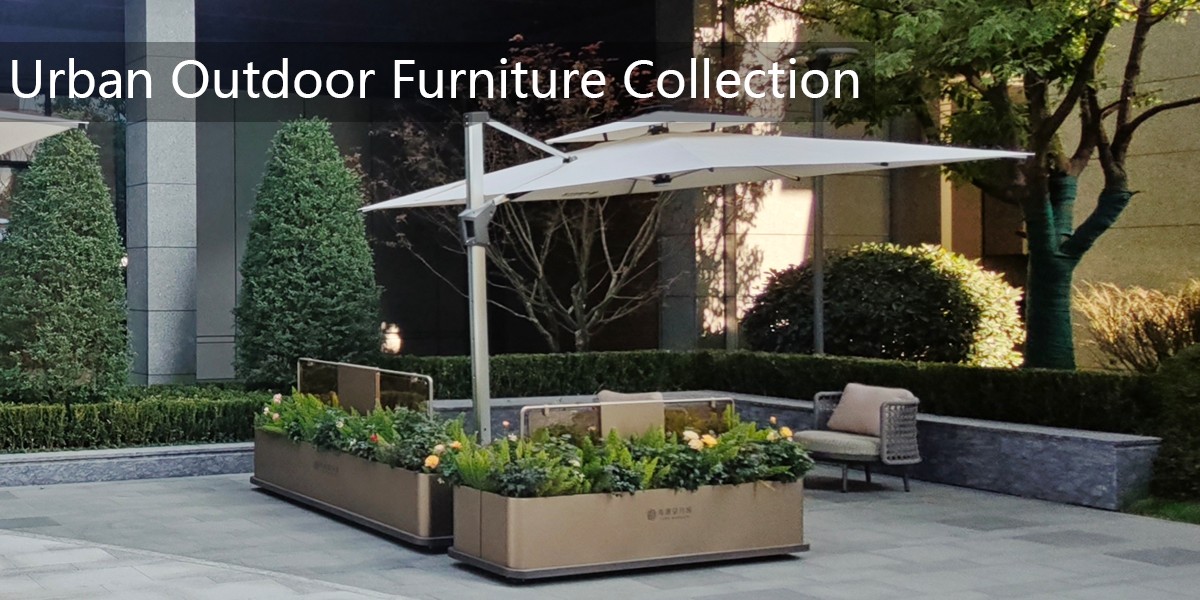
At our planter box factory, the short answer is yes: the materials we use for vegetable-growing planter boxes are selected to be safe for edible crops, and they are not treated with harsh chemical preservatives such as CCA, creosote, pentachlorophenol, or formaldehyde-based binders. We treat material safety as a design requirement, not an afterthought, because soil, water, sun, and roots create a sensitive environment. Instead of relying on heavy chemical treatments, we choose durable materials and controlled finishes that remain stable season after season.
For plastic planter boxes, we specify food-grade virgin HDPE rather than mixed or contaminated recycled plastics. HDPE is UV-stabilized for outdoor use, does not rot, and does not need chemical preservatives. Colorants are selected for outdoor durability and are locked into the material, so there is no paint layer to flake into the soil. For wooden models, we use kiln-dried or heat-treated wood from responsibly managed sources. We avoid pressure-treated lumber that contains harsh preservatives; when a wood finish is requested, we use a water-based, low-VOC coating designed for garden contact, and we allow it to cure fully before packing.
Metal planter boxes use galvanized steel with a cured powder coating on exposed surfaces, plus stainless-steel fasteners that resist rust. A fitted liner or soil barrier keeps moist soil away from cut edges and metal surfaces, reducing corrosion and minimizing any contact between soil and coating. Composite options combine HDPE with clean wood fiber and use heat and pressure rather than formaldehyde adhesives. Across all materials, our factory checks supplier declarations, batch consistency, coating adhesion, and heavy-metal content. We ask suppliers for material safety documentation and avoid recycled streams with unknown contamination.
Does this mean a planter box can never affect plants? No material should be judged in isolation. Safe use also depends on correct assembly, drainage, and curing. We recommend washing liners before planting, letting coated parts air out before filling with soil, and avoiding abrasive cleaners that can damage protective surfaces. If you are growing sensitive edibles or using the box for intensive vegetable production, we can provide material datasheets and recommend the best configuration—such as an HDPE liner inside a metal frame or an untreated wood box with a waterproof barrier. Our goal is simple: planter boxes that support healthy vegetables without relying on harsh chemical treatments. If you need a material statement for a specific model, our team can share the exact specifications before you order.