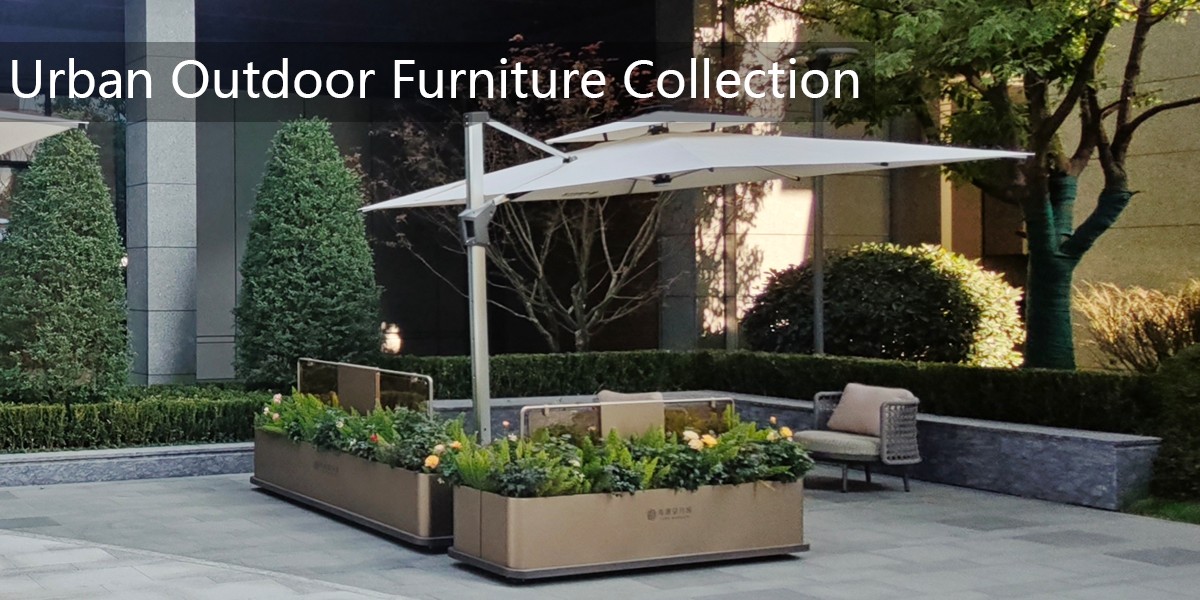
The short answer is that planters from a planter box factory do not automatically come with a guarantee against frost heaving in cold climates. Coverage depends on the specific factory, product line, material, warranty terms, and how the planter is installed and used. A general outdoor planter warranty often covers manufacturing defects, such as faulty joints, material failure, or premature corrosion, but it may not cover damage caused by ground movement, freezing soil, poor drainage, or site conditions. Frost heaving is a soil and site issue rather than a simple product defect, so many standard warranties treat it as an excluded condition unless the manufacturer explicitly states otherwise.
Some factories do offer enhanced cold-climate warranties or product-specific guarantees. These are more likely when the planter is engineered for freezing conditions, made from frost-resistant materials, and supplied with clear installation instructions for cold regions. For example, a factory may guarantee structural integrity for a defined period if the planter is installed on a proper base, has adequate drainage, is not overloaded, and is maintained according to the written guidance. However, this is not the same as a blanket guarantee against frost heaving. Even a strong planter can be affected if water collects around its base, if the footing is shallow, or if the surrounding soil expands unevenly during freeze-thaw cycles.
Before buying, ask the planter box factory for the written warranty and read the exclusions carefully. Look for language about frost heaving, freeze-thaw damage, ground movement, installation requirements, drainage, anchoring, and cold-climate suitability. Ask whether the warranty covers the planter structure only or also finishes, coatings, fixings, and accessories. If the planter is designed to sit directly on soil, ask whether a prepared base, gravel layer, or drainage system is required. If it is a large commercial planter, request engineering details and any cold-weather test data. A sales representative may say a product is “frost-resistant,” but that phrase should be supported by clear warranty terms and installation instructions.
In practice, the safest approach is to treat frost-heaving protection as a shared responsibility between the factory and the buyer. The factory should provide suitable materials, sound construction, and honest warranty documentation. The buyer should install the planter correctly, manage water drainage, avoid placing it where soil movement is likely, and follow maintenance recommendations. If frost heaving is a serious concern, choose a planter with a design that can tolerate slight ground movement, or use a freestanding raised planter that is not rigidly fixed into freezing soil. Also request confirmation in writing that the warranty will remain valid when the planter is used in a cold climate. Without that written confirmation, it is reasonable to assume that frost-heaving damage may not be covered.