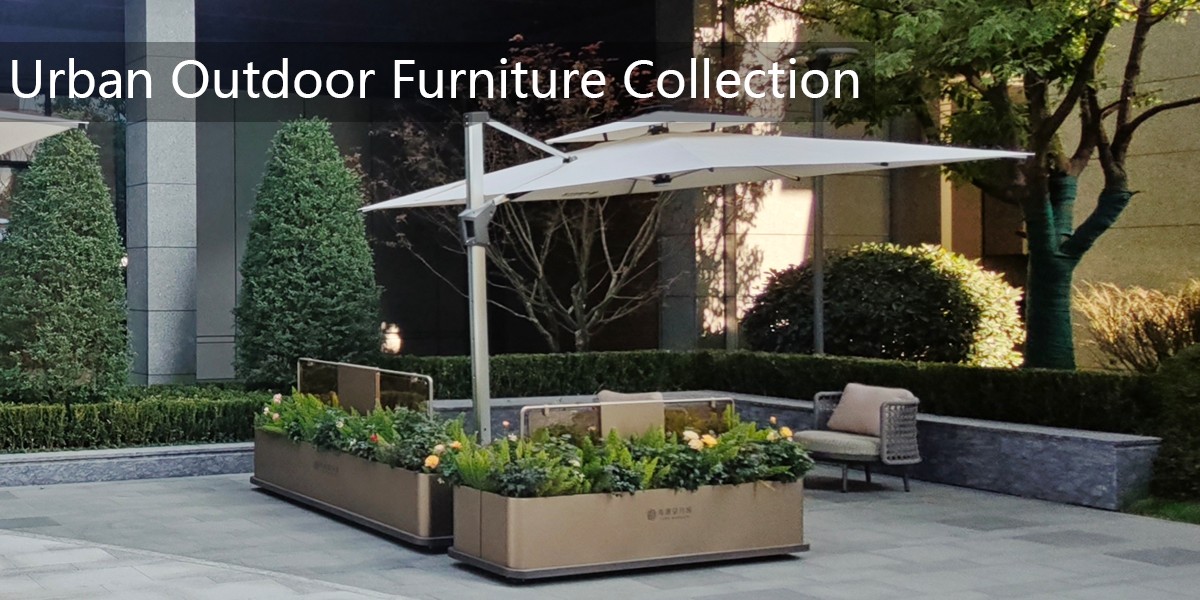
At our planter box factory, wood selection for outdoor flower beds begins with exposure. Outdoor planters must handle rain, soil moisture, UV light, freeze-thaw cycles, and constant contact with damp growing media. For that reason, we typically work with five core wood families: cedar, teak, pressure-treated pine, ipe, and thermally modified timber. Each offers a different balance of durability, appearance, maintenance, and budget, so the right choice depends on the project’s climate, design style, and expected service life.
Cedar is one of our most requested outdoor planter woods. Western red cedar and white cedar contain natural oils and resins that help resist moisture, rot, and insects. Cedar is lightweight, dimensionally stable, and easy to machine, which makes it a strong fit for residential flower beds, slatted planters, and painted or stained designs. Left unfinished, it gradually weathers to a soft silver-gray; with a penetrating oil or stain, it keeps a richer tone. In most climates, a well-built cedar planter with drainage and a protective liner can deliver many years of service.
Teak is our premium option for high-end and humid-climate projects. Its dense grain and natural oils make it highly resistant to moisture and decay, while its low movement helps joints and panels stay tight. Teak weathers gracefully to a silver patina and needs very little maintenance beyond occasional cleaning. We prefer responsibly sourced plantation teak because it reduces pressure on natural forests. The main trade-off is cost, but for clients who want a long-lasting, low-maintenance outdoor flower bed, teak is often worth it.
Pressure-treated pine is the practical, budget-conscious choice. It is treated to resist decay and termites, and when specified for ground contact it can perform well in outdoor planter construction. We recommend kiln-dried lumber, proper sealing, drainage holes, and a liner, especially when clients are concerned about treatment chemicals near plant roots. Pressure-treated pine is easy to paint or stain, but it requires more regular maintenance than cedar or teak. We do not use untreated softwood for wet outdoor beds because it breaks down too quickly.
Ipe is a dense tropical hardwood with exceptional resistance to rot, insects, and moisture. It is heavy, hard, and very durable, making it suitable for commercial planters, rooftop beds, and long-life outdoor projects. Ipe requires pre-drilling and sharp tooling, and we always verify responsible sourcing. Thermally modified timber is another option we use for eco-conscious designs. Heat treatment improves dimensional stability and decay resistance without added chemical preservatives. It performs well in outdoor planters but usually needs an oil finish to maintain its color and surface protection.
Beyond wood species, our factory focuses on construction details that extend planter life: stainless steel or coated fasteners, slatted bottoms, raised feet, drainage holes, breathable geotextile, and optional liners. We pre-finish with penetrating oil, water-based stain, or primer when requested, and we source certified or responsibly harvested lumber wherever possible. In short, cedar and pressure-treated pine cover most residential flower beds, teak and ipe serve premium and high-exposure projects, and thermally modified timber offers a strong modern alternative. Clients can choose based on climate, budget, finish preference, and how long they want the planter to perform.