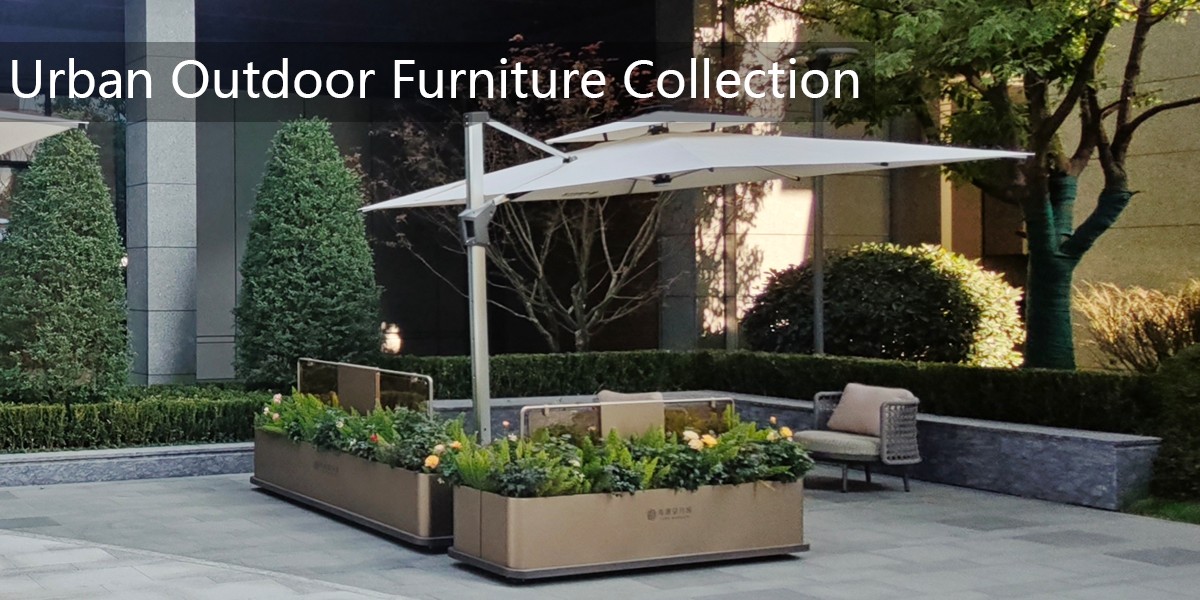
When choosing planter boxes for small trees, depth is one of the most important specifications. From a planter box factory perspective, a small tree—such as a dwarf fruit tree, ornamental flowering tree, or patio-sized evergreen—should generally have a soil depth of at least 24 inches (about 60 cm). For stronger long-term results, we recommend 30–36 inches (75–90 cm), especially for trees expected to remain in the planter for several years.
Why this depth? Small trees still develop substantial root systems. Shallow boxes restrict root expansion, reduce anchorage, dry out faster, and make trees more vulnerable to heat, wind, and drought stress. A deeper planter provides a larger soil volume for moisture and nutrients, gives roots room to grow downward, and improves stability. It also allows better drainage design, which is critical because small trees cannot tolerate waterlogged roots.
For truly dwarf or compact patio trees, 18–24 inches may be acceptable as a minimum, but 24 inches should be treated as the safer baseline. If the tree will stay in the same box long term, choose 30 inches or more. The planter should also include drainage holes, a suitable soil mix, and enough width for the root ball—depth alone is not enough.
As a planter box factory, we advise matching depth to tree species, mature size, climate, and intended use. For most small trees, 24–36 inches is the practical range. Deeper is usually better for root health and stability, provided drainage is excellent.