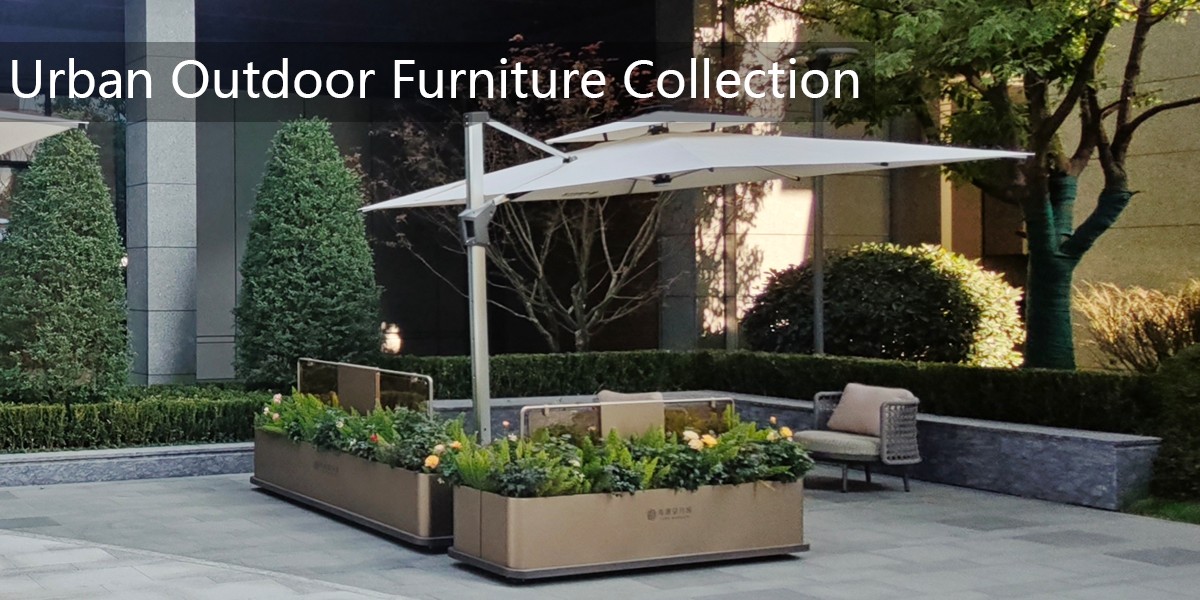
The short answer is yes. At our planter box factory, pest and rot protection is built into the production process, but the exact method depends on the material, design, and order requirements. For wooden planters, we start with kiln-dried timber to reduce moisture and help eliminate insects or larvae. The wood can then be pressure-treated with a rot-resistant preservative suited to garden use, or supplied with a specified alternative treatment if a project has particular compliance needs. Cut ends, joints, and drilled drainage holes receive attention because these are common entry points for moisture. We also apply a protective sealant or stain where appropriate, and many designs include drainage channels or liners to keep soil moisture away from the timber.
For composite, metal, and recycled-material planters, rot and pest risk are handled differently. These materials are selected for weather resistance, and fittings and liners are chosen to prevent water traps. We do not claim that every planter is treated in the same way; instead, we match the protection to the product. If you need untreated planters for a specific reason, we can discuss that option and note the maintenance implications.
In practical terms, treated planters last longer in wet or humid conditions, but no planter is maintenance-free. Good drainage, seasonal inspection, and timely resealing of wooden surfaces will extend service life. If you tell us your climate, plant type, and expected lifespan, our factory can recommend the right pest and rot protection for your order.