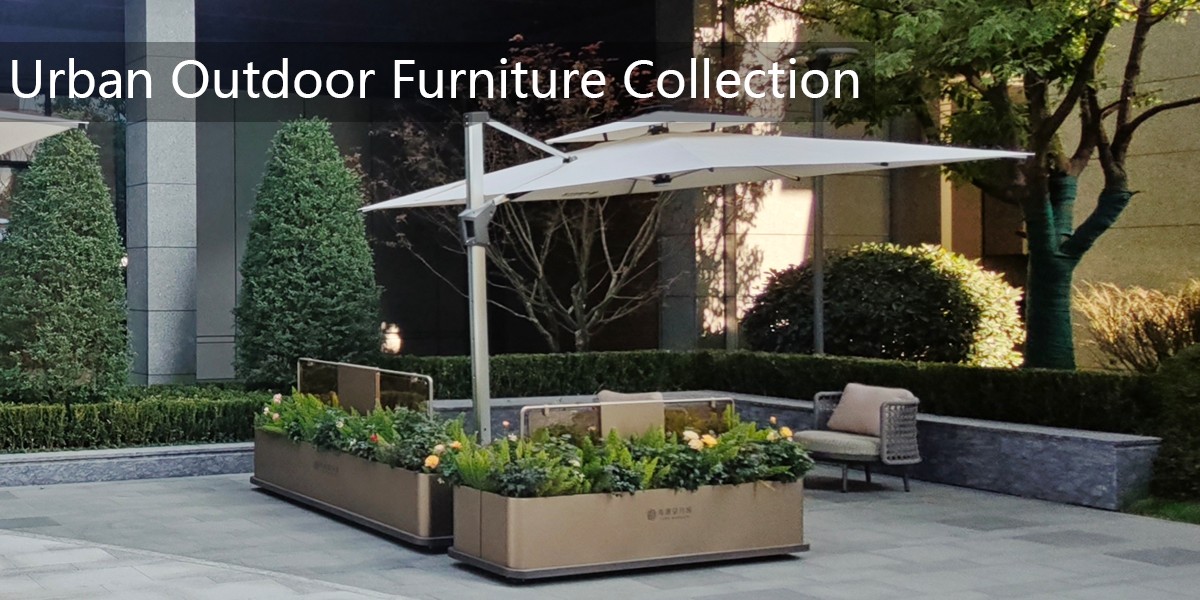
Thanks for asking—this is one of the most practical questions customers raise about steel-framed planter boxes, because wet soil all season is a genuinely demanding environment for any metal. Our factory does not treat rust prevention as a single coating step; we build it into the material choice, fabrication, coating system, drainage design, hardware selection, and quality control process.
First, we start with the right steel substrate. For planter boxes exposed to soil and moisture, we typically use hot-dip galvanized steel or a zinc-aluminum coated steel rather than bare carbon steel. The zinc layer provides barrier protection and, more importantly, sacrificial protection: if the coating is scratched, the zinc can corrode first and help protect the steel beneath. During fabrication, we pay close attention to cut edges, welds, and drilled holes, because these are the places where moisture usually finds a way in. Exposed edges and weld areas receive extra treatment, such as zinc-rich primer or a compatible edge-sealing coating, before the final finish is applied.
Before powder coating, every frame goes through a controlled pretreatment line. This usually includes alkaline degreasing, clean-water rinsing, a conversion coating or phosphating stage, and thorough drying. This step is critical: powder coating performs best when it bonds to a clean, properly prepared surface. We then apply an electrostatic powder coating and cure it under controlled time and temperature so the finish forms a durable, continuous film. We also specify edge coverage and avoid thin spots around corners, seams, and fastener holes, since these are common starting points for corrosion.
The second half of rust prevention is design. A steel planter that sits directly in water will eventually challenge any coating, so we design the planter to manage moisture rather than trap it. Our planter boxes use raised feet or a recessed base to keep the steel frame out of standing water, drainage holes or overflow slots to release excess water, and internal airflow paths where the design allows. We also recommend and can integrate a soil barrier or liner system that separates wet growing media from the steel surface while still allowing drainage. This reduces continuous contact between soil, fertilizer, and metal—an important detail because wet soil plus fertilizer salts can be more aggressive than rainwater alone.
Hardware matters too. We use stainless steel fasteners where appropriate and isolate dissimilar metals to reduce galvanic corrosion. Fixings and connection points are positioned to avoid water traps. For quality control, we check coating adhesion, film thickness, impact resistance, and appearance, and we use salt-spray and humidity testing to compare batches and validate our coating systems. We also provide simple installation guidance: keep drainage holes clear, avoid burying the frame in compacted soil, and touch up any deep scratches with the recommended repair coating.
No steel planter is permanently rust-proof under every condition, and we prefer to be honest about that. The goal is to slow corrosion dramatically and protect the most vulnerable points. With galvanized steel, proper pretreatment, a cured powder-coated finish, drainage, airflow, soil isolation, stainless hardware, and routine care, our steel-framed planter boxes are designed to perform reliably through wet soil and changing seasons.