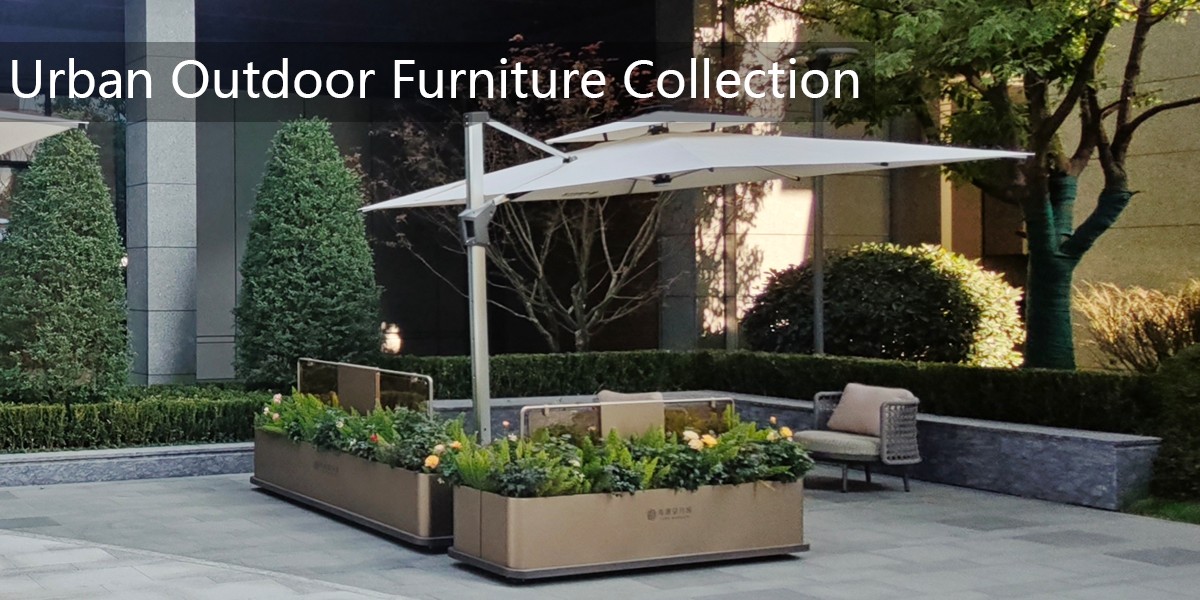
For a community garden, the largest crack-resistant planter we would recommend as a single unit is usually about 8 ft long × 4 ft wide × 30–36 in high in wood or composite. This size works well when the planter has a rigid internal frame, cross-bracing, expansion gaps at the joints, and reliable drainage. If you need a larger one-piece look, our planter box factory can engineer a single unit up to approximately 12 ft long × 4 ft wide × 36 in high with a galvanized steel or aluminum frame and a divided soil cavity. That is the practical upper limit we would confidently supply for a community garden without inviting cracking, bowing, or joint separation under normal use.
The reason there is no magic unlimited size is that a planter is not just a box. Wet soil is heavy, and it pushes outward on every panel. Sun and temperature changes make the material expand and contract. Roots add pressure, and poor drainage can keep the soil saturated. A large, uninterrupted planter concentrates all of that stress on long panels and corner joints. To prevent cracking, we use internal steel reinforcement, vertical supports, expansion joints, and separate drainage zones. We also recommend keeping the soil level below the top rim and installing the planter on a level, stable base.
For anything beyond about 12 ft, the better solution is modular construction. We can make 4 ft or 6 ft sections that join with hidden connectors and shared drainage, giving the community garden a large, continuous planter bed without relying on one giant crack-prone shell. This approach also makes delivery, installation, and future repairs much easier. So the short answer is: standard safe single unit around 8 ft; engineered maximum around 12 ft; larger than that, use modules. We can discuss your exact site, soil mix, and access route to confirm the right specification.