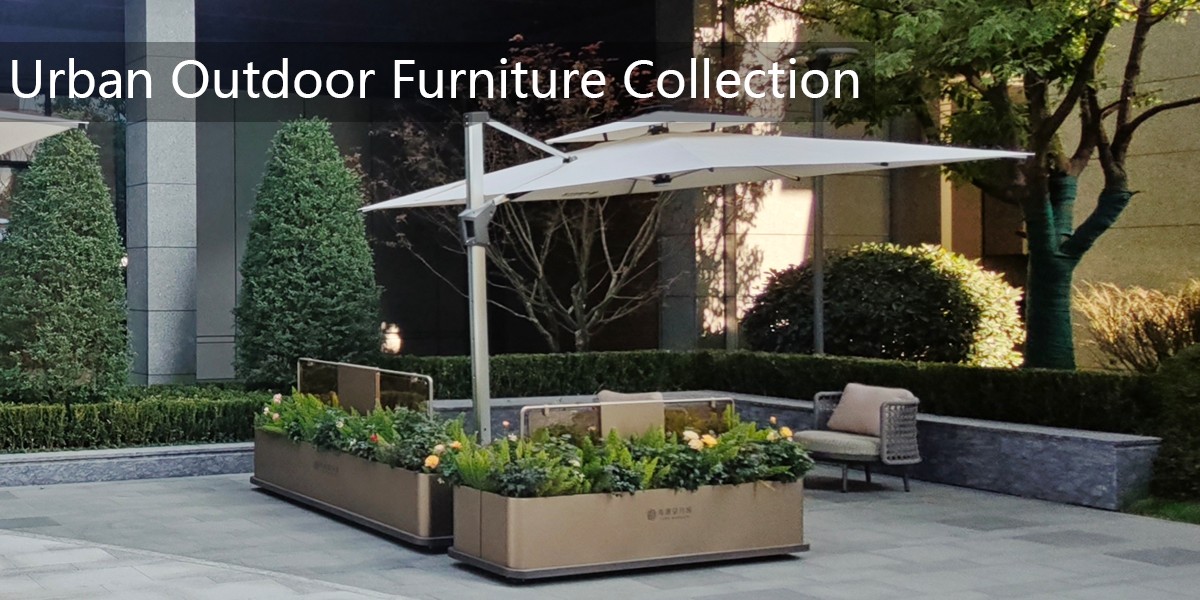
To decide whether a planter from a planter box factory is the right size for a small tree, begin with the tree’s root ball rather than its current nursery pot. Measure the width and depth of the root ball, then ask the factory for the planter’s internal dimensions. External measurements can be misleading because thick walls, tapered sides, and drainage layers reduce the actual planting space.
A suitable planter should hold the root ball comfortably without excessive empty soil around it. As a practical starting point, choose a planter with internal volume roughly two to three times the root ball volume for a young small tree, but confirm the needs of the specific species. A container that is only slightly larger than the root ball may be fine for short-term display, while a long-term planter should allow room for root growth and provide enough soil volume to buffer moisture and temperature.
Check the height-to-width ratio as well. Small trees can become top-heavy, especially in windy locations, so a planter with a broad, stable base is usually safer than a tall, narrow box. The tree’s trunk should sit at the correct depth, with the root flare visible above the soil line. Never bury the trunk. Also confirm that the planter has adequate drainage holes and, if needed, a raised base or saucer system that does not trap water against the roots.
Consider the tree’s mature canopy and growth habit, not just its current size. A small tree that will stay in the planter for years needs more soil volume and weight than one used for seasonal decoration. Lightweight planters are easier to move, but heavier materials provide better stability outdoors. If the planter will sit on a balcony or roof terrace, verify the weight capacity and loaded weight before planting.
Finally, ask the planter box factory for a sizing guide, recommended tree size range, and material specifications. Measure the tree, compare those numbers with the planter’s internal width, depth, and volume, and test the empty planter in its final position. The right size is the one that supports healthy roots, allows proper drainage, keeps the tree stable, and leaves sensible space for future growth without drowning the root system in oversized soil volume.