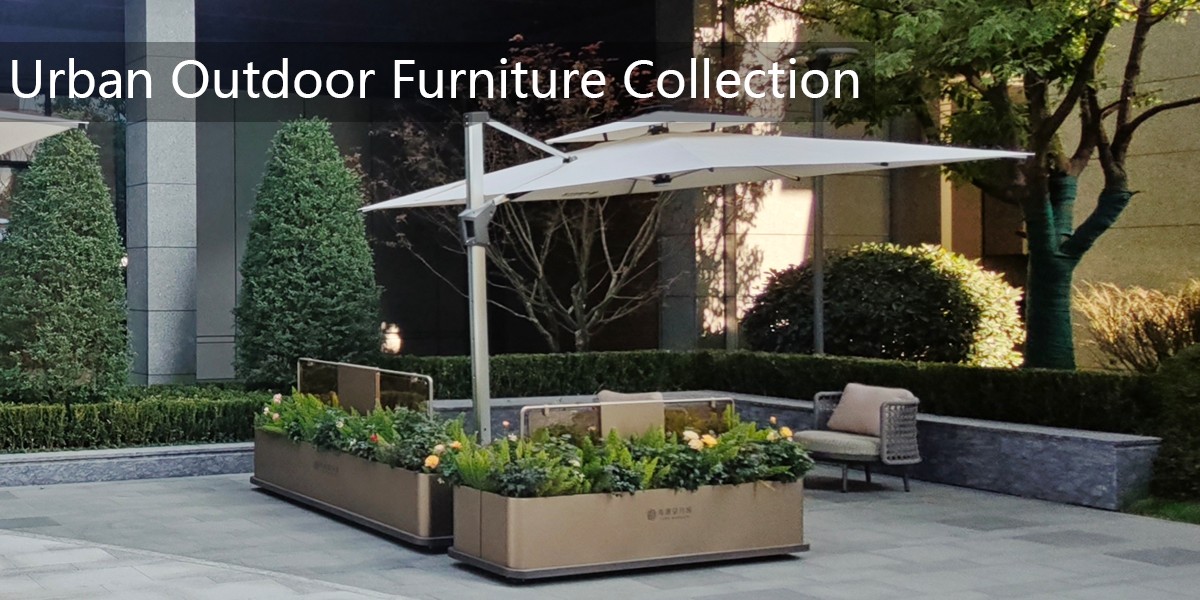
Thank you for your interest in our planter box factory. The self-watering feature is designed to make watering more consistent and reduce daily maintenance. Inside the planter, a water reservoir sits below the growing tray. A wicking fabric or capillary mat draws water upward into the potting mix, where plant roots take what they need. A fill tube lets you add water without disturbing plants, and an overflow hole prevents the reservoir from being overfilled. Many models also include a water-level indicator. Because the soil draws moisture from below, the surface can look dry while the root zone remains properly hydrated. For best results, water through the top once after planting to settle the mix and start the wicking action, then keep the reservoir within the recommended range. Do not leave the reservoir full constantly if the indicator shows enough water, and make sure the overflow remains clear.
Do you need special soil? No—you do not need a proprietary or “self-watering-only” soil. Choose a high-quality, well-draining potting mix rather than heavy garden soil, topsoil, or clay. A light mix containing coco coir or peat, perlite, and compost works well because it holds moisture while allowing air to reach the roots. Garden soil can become compacted and may not wick evenly. We usually recommend adding extra perlite for plants that prefer drier conditions, and avoiding moisture-retention crystals unless your mix already contains them. Do not add a gravel drainage layer; the planter’s reservoir and wicking system already manage water. Use a balanced slow-release or water-soluble fertilizer according to the label, since repeated bottom watering can affect nutrient levels over time. With the right potting mix and a quick check of the reservoir indicator, our self-watering planter boxes stay simple to use and help plants thrive.