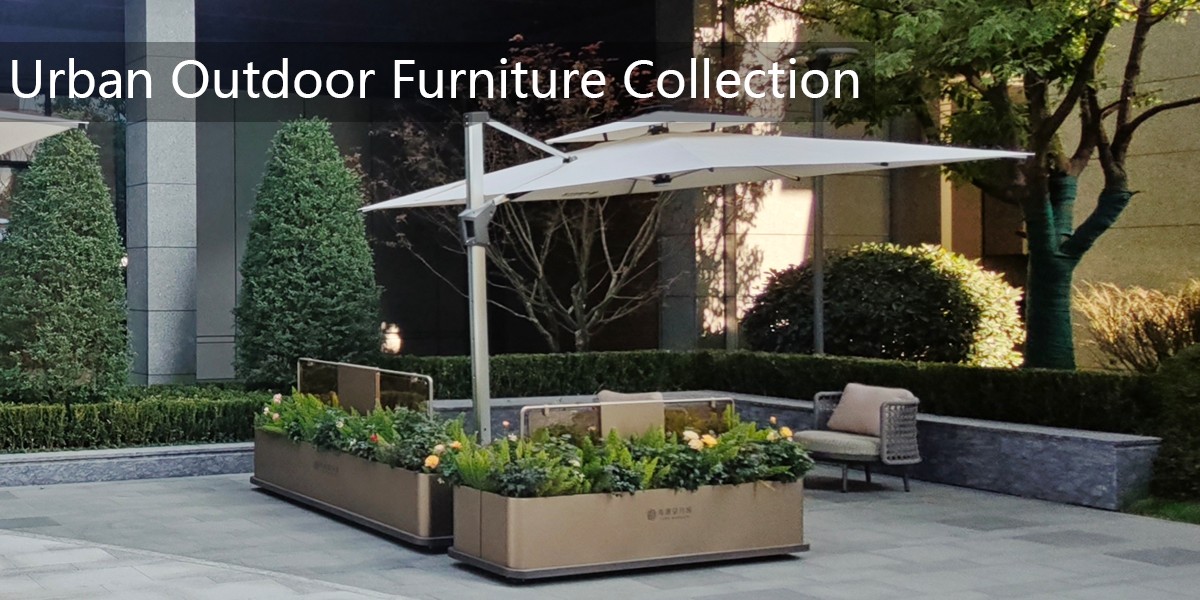
At our planter box factory, termite control starts long before assembly. We begin by selecting wood species and suppliers with documented pest-management practices. For outdoor planter boxes, we favor naturally durable species or timber that can be safely treated, and we require traceability so every batch can be linked to its source. Incoming lumber is inspected for active insects, frass, galleries, mold, and excessive moisture. Any suspect batch is quarantined and rejected or re-treated according to protocol.
The core of our control program is moisture management and heat treatment. Termites need moisture and wood-to-soil contact. We kiln-dry lumber to a target moisture content suitable for outdoor products, then store it on racks off the floor in a dry, ventilated area. Heat treatment and kiln schedules help eliminate eggs, larvae, and adults that may be present before manufacturing. For wood specified for ground-contact or high-risk use, we use pressure impregnation or borate-based treatment applied in a controlled facility. Treatments are selected according to the product’s intended use and local regulations; we do not rely on surface spraying alone because it does not protect the core.
During fabrication, we design planters to reduce risk. We keep wood away from direct soil contact where possible, use drainage holes and raised feet, and avoid enclosed cavities that trap moisture. We seal end grain and coat exterior surfaces with water-resistant finishes to slow moisture uptake. Metal or composite components are used at ground-contact points when the design allows. Joinery is kept tight and clean, and we remove sawdust, bark, and wood offcuts from production areas daily because these can harbor pests.
Quality control is continuous. In-process inspectors check moisture content, treatment records, coating coverage, and joinery. Finished planters are inspected for cracks, untreated exposed cuts, and standing-water risks. We keep treatment certificates and batch records, and we train staff to identify termite activity and moisture problems. Packaged products are kept dry and elevated during storage and shipping.
Finally, we give customers clear care guidance: keep planters drained, avoid burying untreated wood in soil, maintain airflow, and inspect annually. If a planter is in a high-termite zone, we recommend treated timber or a design that isolates wood from soil. This combination of sourcing, drying, treatment, design, and inspection gives our planter boxes layered protection against termites and other wood pests.