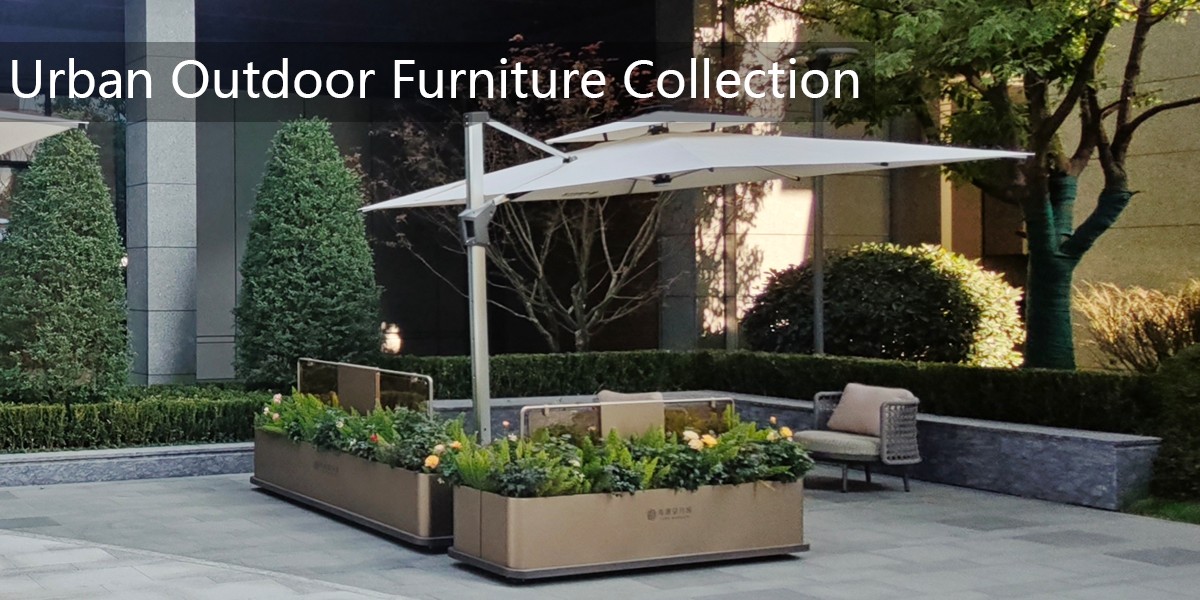
The short answer is that both options are common in the planter box industry. For standard catalog planters, the factory usually pre-drills drainage holes at set locations so each unit drains predictably and arrives ready to use. These pre-drilled holes may be positioned in the base, near one end for slope, or with reinforced margins to reduce cracking. Many factories also supply plugs or grommets so the holes can be closed when used indoors.
Custom placement is available when the order requires it. A planter box factory can adjust hole position, diameter, quantity, spacing, and edge distance during the drawing or fabrication stage, especially for OEM/ODM programs, commercial landscaping, built-in planters, and projects using drip irrigation, reservoir liners, or false bottoms. The best method depends on material—wood, metal, resin, or concrete—and on whether the planter will sit on feet, a tray, or a sloped surface.
Before ordering, ask the factory for a shop drawing showing drainage details. Confirm whether holes are drilled after assembly or during CNC work, whether edges are sealed or reinforced, and whether plugs are included. If holes must be hidden or directed away from a balcony or wall, custom placement is usually the better choice. For standard projects, pre-drilled holes are faster and more cost-effective. In practice, many factories offer pre-drilled holes as the default and custom placement as an option, so the right answer is to specify your drainage plan rather than assume every planter follows one rule.